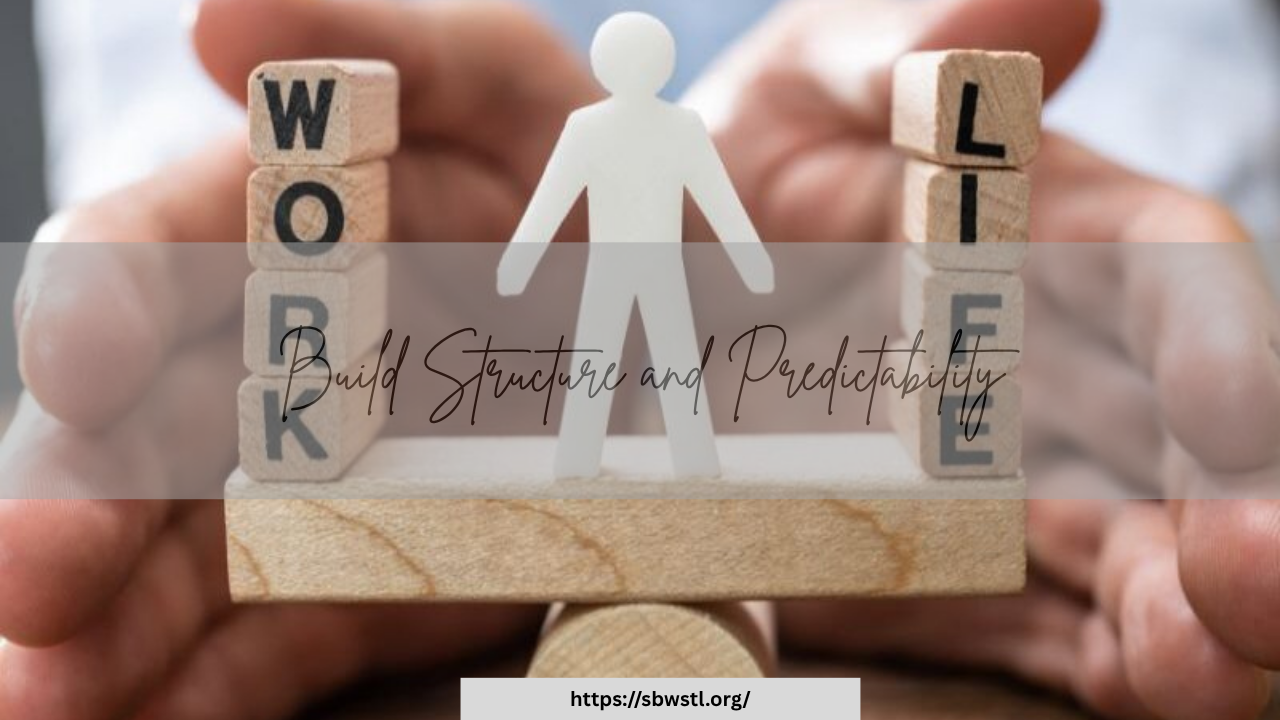
Being an entrepreneur is demanding enough—but when you’re also navigating the challenges of addiction recovery, the pressure can become unbearable. Juggling the responsibilities of leading a business while maintaining your personal healing requires intentional balance. For addicted entrepreneurs—whether newly sober or in long-term recovery—learning to lead while healing is not just about staying afloat; it’s about building a sustainable, fulfilling life and business.
Acknowledge the Dual Journey
The first step toward balance is acknowledging that you’re walking two paths at once: one as a business leader and the other as a person in recovery. Both require time, energy, and focus. It’s okay to admit that recovery needs to be your top priority—even above business. Sobriety is the foundation upon which your business and your future rest. Without it, everything else is at risk.
Recognize that healing is ongoing. Don’t push yourself to perform at full capacity every day. Some days will be harder than others. Allow space for emotional ups and downs, and remind yourself that growth in recovery is just as valuable as growth in revenue.
Build Structure and Predictability
Addiction thrives in chaos. Recovery, by contrast, requires routine. As a business owner, it’s easy to fall into a pattern of constant adaptation—early mornings, late nights, and endless problem-solving. But for those healing from addiction, structure provides safety and consistency.
Start by establishing a realistic daily schedule that includes dedicated time for recovery activities (meetings, therapy, journaling, exercise), work tasks, rest, and personal time. Treat these time blocks as non-negotiable appointments. Even a 10-minute check-in with yourself can ground your day and prevent burnout.
Delegate and Simplify
One of the hardest lessons for entrepreneurs—especially those in recovery—is learning to let go. Delegating tasks doesn’t mean you’re weak or incapable; it means you’re protecting your energy and sobriety.
Assess your workload and determine what only you can do, then delegate the rest. Hire a virtual assistant, bring on a part-time employee, or outsource certain tasks. Simplifying your workflow not only reduces stress but also gives you more space to focus on healing and high-level decision-making.
Protect Your Energy
Your energy is a finite resource. Guard it with clear boundaries. Say no to projects or partnerships that feel overwhelming or misaligned with your values. Schedule time for rest and recovery just as you would schedule a client meeting.
Avoid overexposure to triggers—whether it’s late-night work that leads to cravings, high-pressure meetings, or social events with alcohol. Recovery doesn’t mean avoiding life, but it does mean learning how to protect your peace.
Stay Connected and Honest
Isolation is a silent threat to recovery. Stay connected to your support network, whether that’s a recovery group, mentor, sponsor, or therapist. Be honest about how you’re feeling—even when things are going well. Vulnerability is a strength, not a liability.
Final Thoughts
You don’t have to choose between being a successful entrepreneur and staying sober. With boundaries, structure, support, and self-awareness, you can lead your business while honoring your healing.
Leading while healing isn’t about perfection—it’s about progress. And every step you take toward balance is a step toward lasting success, in business and in life.